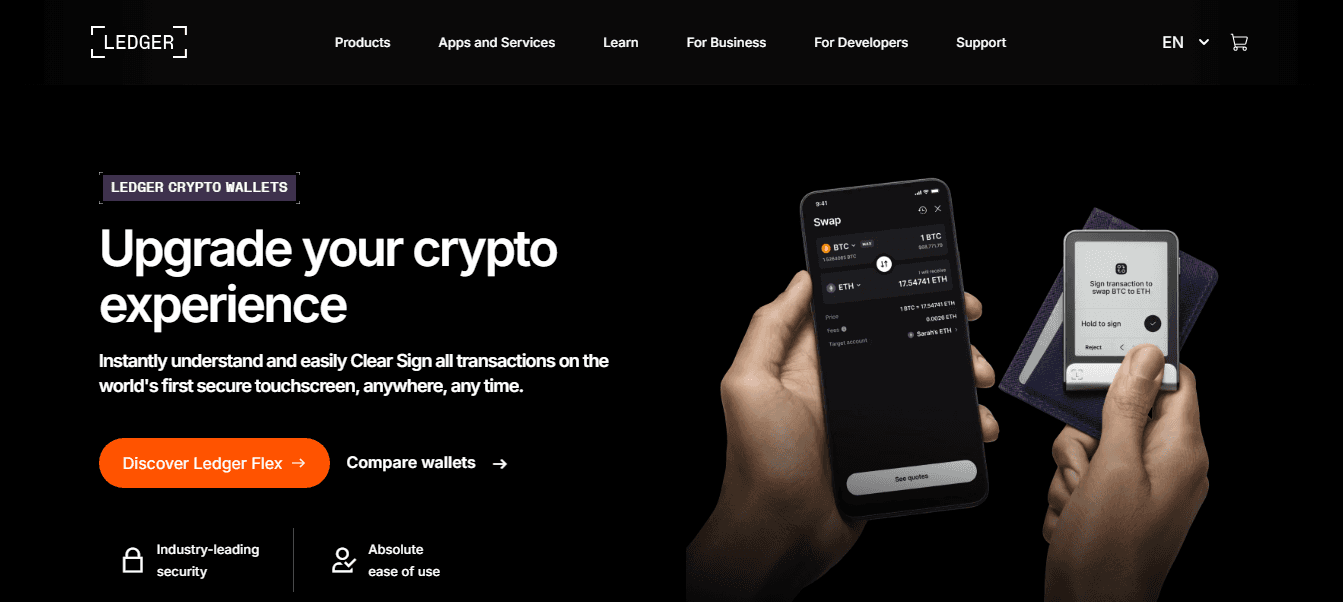
Ledger Live: A Secure and Integrated Platform for Digital Asset Management
The accelerating adoption of digital assets has made cryptocurrency management a priority for both private investors and institutional participants. As the market evolves, users increasingly demand platforms that combine security, accessibility, and operational efficiency. Ledger Live, developed by Ledger—one of the world’s leading providers of hardware-based crypto security—responds to this need by offering a comprehensive management interface that enables secure control of a wide range of digital assets.
Ledger Live complements Ledger hardware wallets by providing a unified software environment for managing cryptocurrency portfolios, executing transactions, accessing decentralized finance (DeFi) services, and participating in digital asset staking. Its design reflects industry-grade security standards, ensuring that users retain full ownership of their private keys while interacting seamlessly with blockchain networks.
Overview of Ledger Live’s Role in Crypto Security
Ledger Live serves as the official management platform for Holder’s Ledger hardware devices, including Ledger Nano X and Ledger Nano S Plus. Unlike browser-based wallets and exchange wallets that expose private keys to the internet, Ledger Live operates in tandem with secure hardware components. Private keys never leave the device; therefore, transaction authorization is performed offline, mitigating exposure to cyber threats and digital asset theft.
This architecture positions Ledger Live as a preferred choice for organizations and individual investors seeking institutional-level asset protection without sacrificing usability.
Key Functionalities and Platform Capabilities
Ledger Live integrates a wide array of functions under one unified dashboard. Its primary capabilities include:
• Multi-Asset Support Across Major Blockchains
The platform supports thousands of digital assets, including Bitcoin, Ethereum, XRP, Litecoin, Polkadot, and numerous ERC-20 and other token standards. This reduces the need for multiple wallet interfaces and simplifies portfolio administration.
• Portfolio Monitoring and Market Analytics
Ledger Live provides dynamic portfolio tracking featuring historical balance changes, real-time market valuations, and performance metrics. This analytical visibility enables informed decision-making based on current market trends and asset allocation.
• Access to Staking and Reward Programs
Investors can stake selected cryptocurrencies, such as Ethereum, Cosmos, Solana, and Polkadot, through trusted validators while keeping private keys secured by the hardware device. This integration allows users to generate passive yield without compromising security protocols.
• Buy, Sell, and Swap Transactions
Through vetted third-party partners, Ledger Live facilitates asset purchases, sales, and cross-crypto exchanges. Importantly, users retain custody of their digital assets during these operations, differentiating Ledger Live from centralized exchange models.
• Secure Web3 Connectivity
Ledger Live provides controlled access to decentralized applications (dApps), non-fungible token (NFT) platforms, and DeFi solutions via secure signing through the hardware device. This reduces exposure to fraudulent smart contracts and phishing attacks.
Professional Security Framework
Security remains Ledger Live’s core value proposition. Its architecture is built to support defense-grade protection standards, including:
• Secure Element hardware chips to protect private keys
• On-device transaction verification to eliminate reliance on compromised screens
• Firmware and software updates validated through cryptographic integrity checks
• Application password protection and optional passphrase encryption
• Zero-knowledge operational model, ensuring Ledger cannot access user keys
With persistent threats in the cryptocurrency sector, Ledger Live’s approach aligns closely with best practices observed in financial cybersecurity, risk management, and digital asset governance.
Implementation and Setup Procedure
Ledger Live installation follows a controlled setup workflow, designed to minimize user error and mitigate exposure to phishing risks:
Step 1: Download Ledger Live from the Official Source
Users must ensure they download exclusively from Ledger’s official website or authorized mobile app stores to avoid counterfeit applications.
Step 2: Install and Launch the Application
Once installed, the software verifies compatibility with the connected Ledger hardware wallet.
Step 3: Connect the Ledger Hardware Device
Users authenticate the device with a secure PIN, ensuring controlled physical access.
Step 4: Install Blockchain Applications
Ledger Live enables installation of individual cryptocurrency apps within the hardware device, which are required to manage each asset.
Step 5: Add Accounts and Begin Asset Management
Once configured, users can view balances, transfer funds, interact with DeFi platforms, and monitor portfolio analytics.
Industry Use Cases and Investor Suitability
Ledger Live appeals to a broad demographic within the digital asset ecosystem, including:
• Individual retail investors seeking secure self-custody
• Institutions adopting compliance-oriented digital asset storage
• DeFi participants requiring secure Web3 access
• Long-term holders prioritizing cold storage security
• NFT users executing verified signing for digital collectibles
The platform’s operational stability, paired with hardware-based protection, aligns with emerging regulatory expectations regarding digital asset custody.
Conclusion
Ledger Live represents a strategic integration of high-level security and comprehensive asset management. By combining the resilience of hardware wallets with a sophisticated software environment, Ledger offers users direct control over their assets without compromising transaction efficiency or market access.